

A Capital City That Feels Human
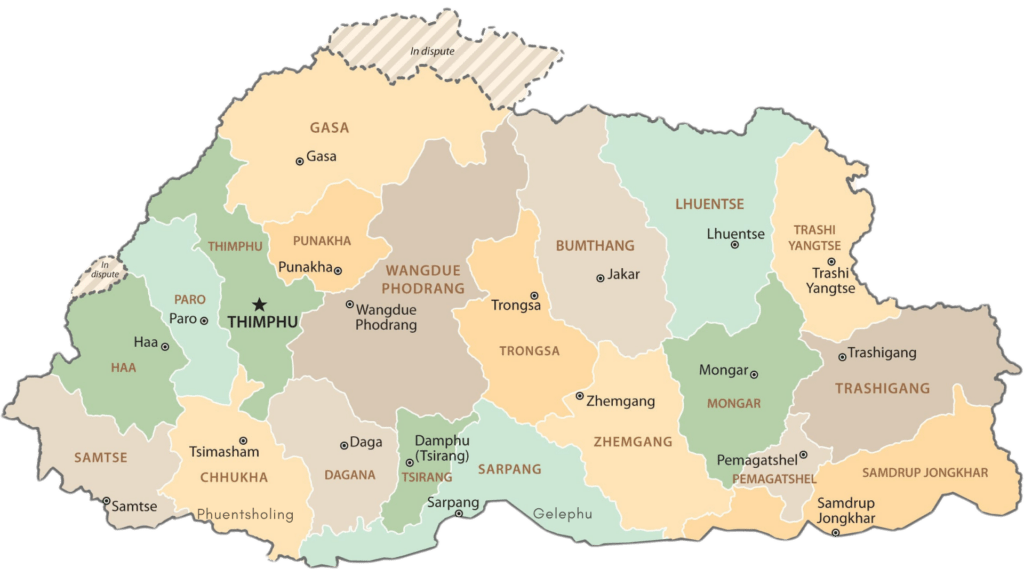
Thimphu fascinates me because it refuses to behave like most capital cities. There are cafés, bars, young Bhutanese culture and modern life everywhere, yet somehow, it still feels calm. No traffic lights, no chaos trying to overpower you. I particularly love watching how tradition and modernity casually coexist here without competing with each other.
Bhutan’s Best Kept Secret
Haa feels like the kind of place people hesitate to tell others about because they want to keep it untouched. Crossing Chele La Pass into this valley almost feels cinematic. Think: pine forests, quiet roads and barely any crowds. I’ve always felt Haa carries a certain emotional stillness; the kind that makes you unconsciously slow your pace and breathe deeper.
Sacred Mountains & Slow Evenings
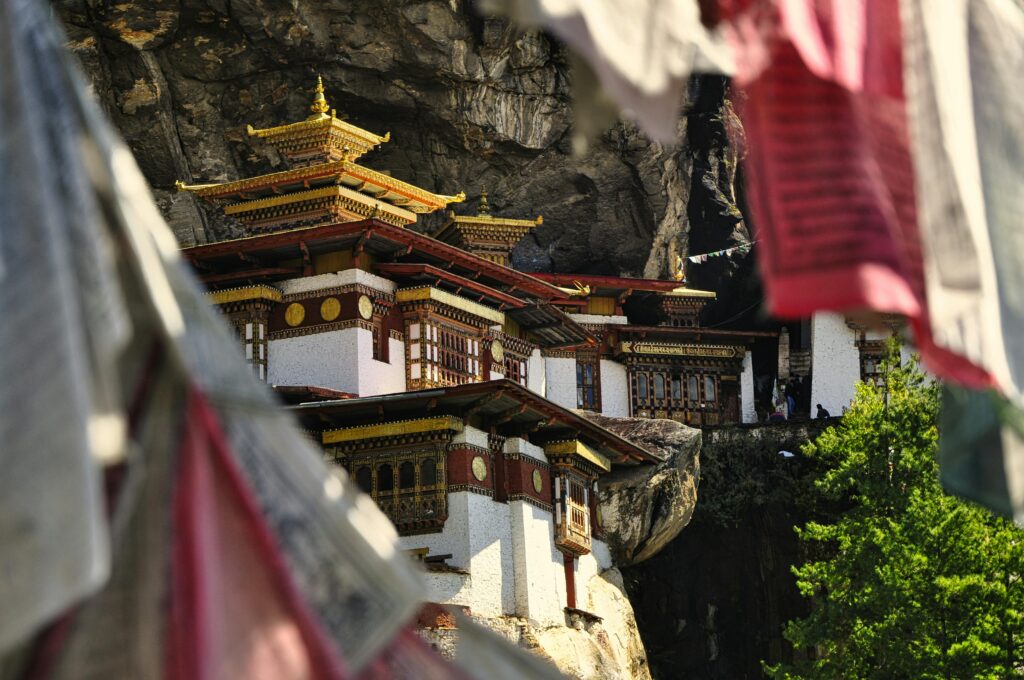
Paro was my first introduction to Bhutan and somehow, it still feels magical every single time. Beyond Tiger’s Nest and postcard views, what I love most is how intimate the valley feels. There’s a tiny market you can walk through entirely, riverside camps, hidden cafés and forests that almost silence your thoughts. If Bhutan had a soft landing into its soul, it would probably be Paro.
Wild, Remote & Deeply Healing
Gasa feels raw in the most beautiful way possible. The mountains are harsher, the roads quieter and the connection to nature stronger than anywhere else I’ve experienced in Bhutan. Sitting in the natural hot springs here after long drives and mountain air feels less like tourism and more like therapy the Himalayas quietly offer you.
Rivers, Warmth & Quiet Happiness
Punakha feels softer than the rest of Bhutan. Maybe it’s the warmer weather, the rivers flowing through the valley or the way the rice fields stretch endlessly around you. Some of my most peaceful moments in Bhutan have been here — crossing suspension bridges, sitting quietly near the Punakha Dzong or simply driving through villages that feel suspended in time.
Silence You Can Actually Hear
Phobjikha doesn’t try to impress you loudly, it slowly grows on you. Wide open landscapes, misty mornings and an overwhelming sense of stillness make this valley feel almost meditative. Watching the black-necked cranes arrive here every winter is beautiful, but personally, it’s the silence of Phobjikha that stays with me long after I leave.
Bhutan’s Spiritual Heartbeat
There’s something deeply emotional about Bumthang. Maybe it’s the ancient monasteries, the forests or the way spirituality naturally blends into everyday life here. I’ve always felt this valley carries an energy that gently slows your thoughts down. It’s one of those rare places where even doing absolutely nothing somehow feels meaningful.
Bhutan’s Tropical Surprise
Most people imagine Bhutan as cold mountain air and alpine landscapes, which is why Gelephu surprises almost everyone. Warmer weather, subtropical forests and wildlife completely change the mood here. What fascinates me most is how different this side of Bhutan feels while still carrying the same gentleness and sense of balance the country is known for.
The Heart That Holds Bhutan Together
Perched dramatically on a ridge overlooking deep valleys, Trongsa has long been the gateway between eastern and western Bhutan. Walking through its majestic dzong and quiet streets, you can feel the weight of history and the rhythm of everyday life blending seamlessly. More than just a stop on the journey, Trongsa offers a rare glimpse into Bhutan's royal legacy, timeless traditions, and the enduring spirit of its people.
Where Eastern Bhutan Truly Begins
Trashigang feels vibrant in a very grounded way. Unlike the quieter western valleys, there’s movement here - markets, conversations, local life unfolding constantly. But what I love most is that it acts as a gateway into Bhutan’s more remote worlds. The deeper east you travel from here, the more Bhutan begins to feel beautifully untouched.
Craftsmanship, Forests & Quiet Roads
Trashiyangtse feels incredibly peaceful. The roads are quieter, the forests denser and life seems to move at its own unhurried pace. I particularly love how deeply craftsmanship lives here; handmade paper, woodwork and traditions preserved not for tourists, but because they genuinely belong to the people and the land.
The Bhutan Few People Reach
Lhuentse feels distant in every sense — geographically, emotionally and spiritually. The journey itself is long and winding, but that’s exactly what makes arriving here so rewarding. Watching local women weave Kishuthara textiles while mountains surround the villages feels like witnessing a Bhutan that has remained beautifully unchanged for generations.
The Beginning Of Eastern Journeys
For many travellers entering eastern Bhutan, Samdrup Jongkhar is simply a transit town — but I’ve always found something interesting about its energy. The mix of cultures, bustling border-town atmosphere and gradual transition from plains into mountains makes it feel like the beginning of a completely different Bhutanese story waiting to unfold.